Deborah ShepardThe Art of Writing From Life
|
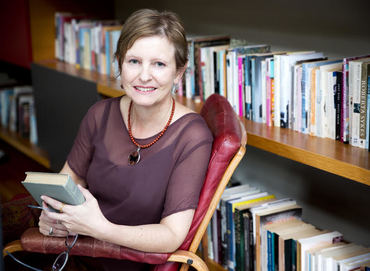
Author photo: Babiche Maartens, NZ Herald
|
|
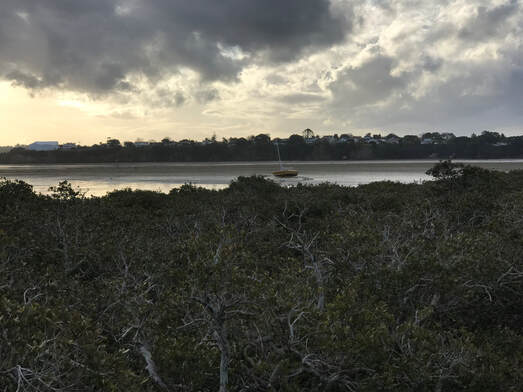
Lockdown JournalOver two years, from the first lockdown in March 2020 to her final entry in 2022, Deborah Shepard kept a journal of her experience of the coronavirus pandemic and the resulting five lockdowns in the city of Tāmaki Makaurau, Auckland, in Aotearoa New Zealand. Part historic record of the pandemic and its impact, part intimate journal of the heart during a period of profound personal upheaval, this book charts the experience of a New Zealand woman writer, navigating uncertainty and using her life writing to survive. Throughout her journal she intersperses passages of nature writing to uplift the spirit and grounds her discomfort over the severity of lockdown measures in a Buddhist acceptance of the central fact of life’s impermanence. In journal entries that bring history vividly and intimately to life at both micro and macro levels — from daily domestic rituals that steady her, to an account of Prime Minister Jacinda Ardern and the Labour Government’s management of the crisis — she takes the reader on a journey of what it was like to experience profound isolation during a major global health crisis in a remote country near sub-Antarctica at the beginning of the third decade of the 21st century.
Deborah’s journal is now in development for publication. |
Upcoming events
|
Memoir biography family stories journalling
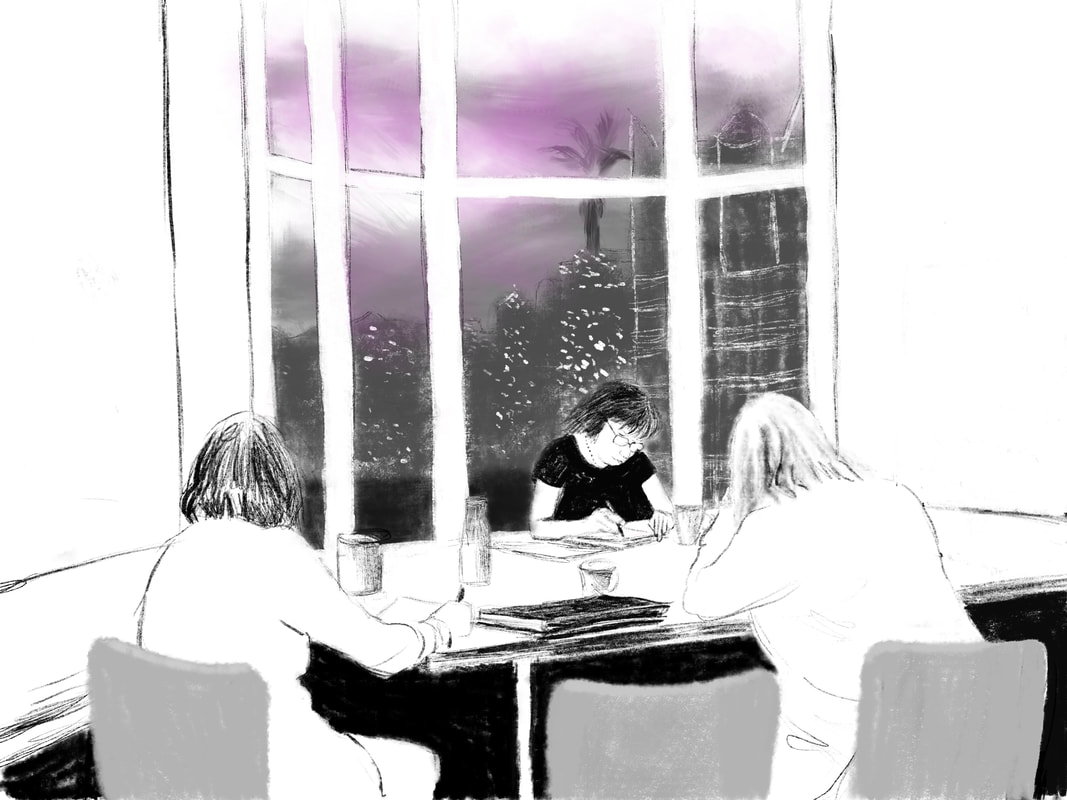
Currently we are living through uncertain times where the once familiar patterns of existence have been disrupted by a global pandemic, wild weather events and a planet in a crisis, war and the threat of another Cold War. A life writing course offers a welcome refuge, a quiet and reflective space where you can investigate and express your experiences in written form. Everybody has the ability to write in these genres because these are our personal stories reflecting our particular vision of how we are experiencing the world. On Deborah's courses you are offered the resources and writing guidance to help you develop your unique voice and achieve your writing goals. Deborah's next life writing course will be held in February 2024 at the Devonport Library. Please contact her via the contact page on this website to register your interest. When: Nine evening sessions Mondays 26 February — 29 April 2024 6.30-8.30pm Where: Devonport Library Fee: $375 Please register your interest at https://www.deborahshepardbooks.com/contact.html Bring: An A4 lined notebook. Please see the events page of this website for further information about the course. |
|
From Being Mentored to Book Publication
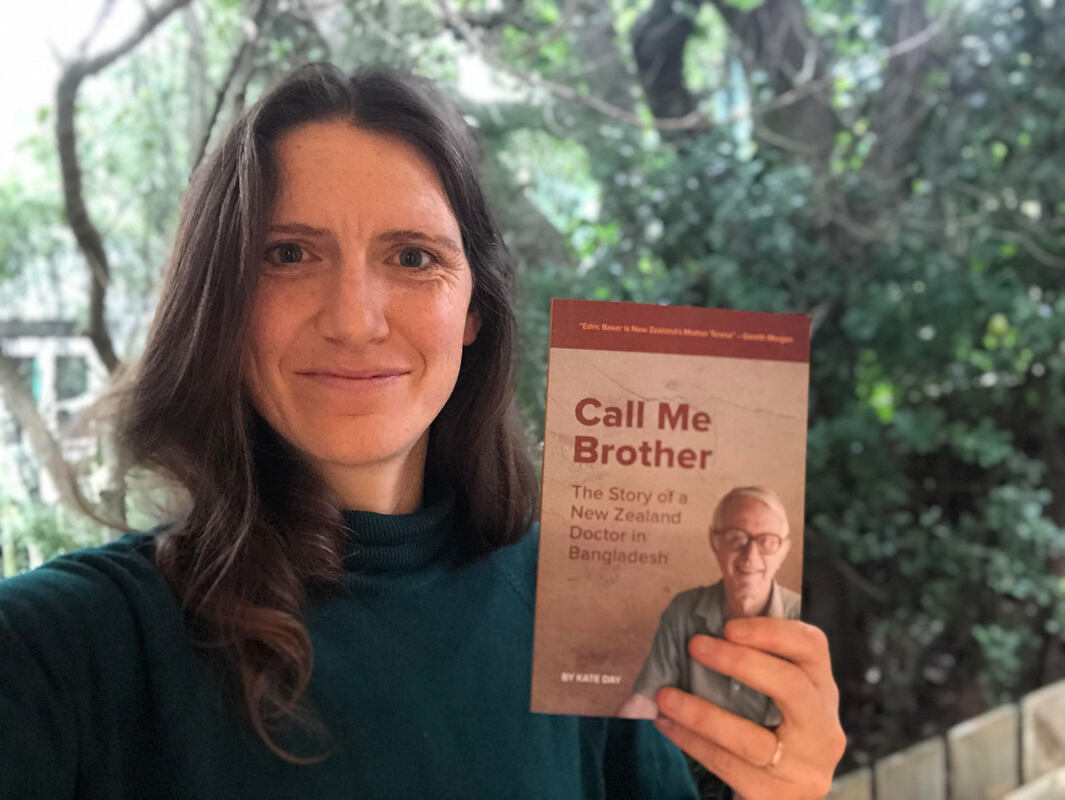
In this new addition to 'Being Mentored' you can read about a beautifully written biography, Call Me Brother: The Story of a New Zealand Doctor, by Wellington writer Kate Day. Discover the inspiring story and its production here. Another writer featured there is Auckland writer Jeanette de Heer. Scroll down and read her account of writing her memoir Between Maungakiekie and the Manukau: An Onehunga Childhood. In the book review section of 'Writing Memoir' you can also read about the production of Adam Dudding's memoir My Father's Island: A Memoir.
|
|
Covid-19 Stories
The coronavirus pandemic changed our lives. Globally the scale of human suffering as a consequence of Covid-19 was very great. Everywhere people are now reflecting on what this major and previously unimaginable global crisis meant for us, as individuals and communities living in the 21st century. This forum continues to offer a space for writers to reflect on their experience in Aotearoa and to consider the question: What might we need to remember and preserve for the wellbeing of ourselves and our communities going forward? Please view the instructions on the forum and send your piece to Deborah via the contact page on this website. |
|
Tribute: Ramai Rongomaitara Hayward (1916-2014)
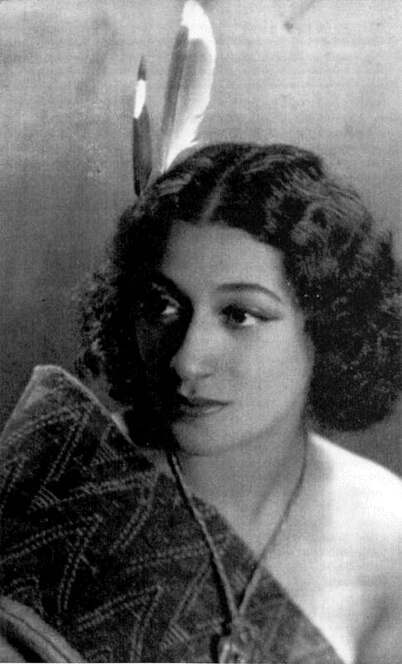
Read Deborah’s new entry on pioneer film director Ramai Hayward for Te Ara the Dictionary of New Zealand Biography. Ramai Hayward was a pioneering documentary and feature film-maker. She trained as a photographer in the mid-1930s and had established her own studio in Auckland when she starred in Rudall Hayward’s landmark film Rewi’s last stand (1940). This was the beginning of a 34-year film-making partnership with Hayward. Ramai was the driving force behind a series of educational films in the 1950s and 1960s, and one of the first western film-makers to visit Communist China. Some of her films explored Māori society and highlighted discrimination against Māori. As a Māori woman, she was a doubly unique figure in an industry dominated by Pākehā men. Early life By her own account, Ramai Rongomaitara Te Miha was born at Pirinoa in Wairarapa on 16 November 1916, though some sources suggest she was born a year earlier. She was the daughter of Roihi Te Miha of Ngāti Kahungunu and Ngāi Tahu, and Frederick William Mawhiney, a farmer of Irish descent. The couple had a second daughter, Wikitoria (Vicky), born on 6 August 1917, two months before Frederick was killed in action in Belgium on 13 October 1917. |
AFTERGLOW: The Writing Life: Twelve New Zealand Authors by Deborah Shepard
On Thursday November 8th, Unity hosted a lunchtime discussion between author Deborah Shepard, Massey University Press publisher Nicola Legat, Dame Fiona Kidman, and Patricia Grace about Shepard’s new book The Writing Life: Twelve New Zealand Authors.
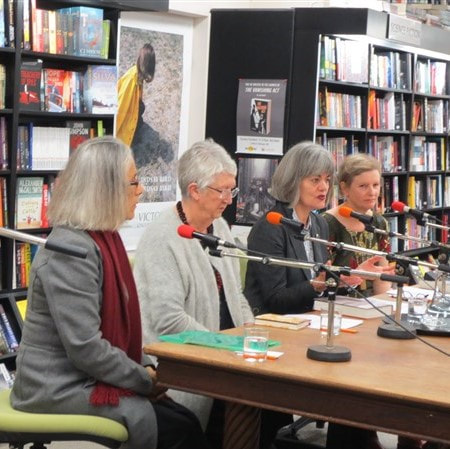
(L-R): Patricia Grace, Dame Fiona Kidman, Nicola Legat, Deborah Shepard
|
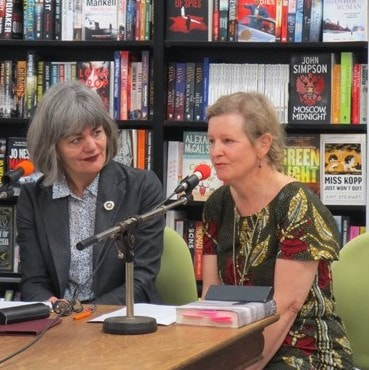
Deborah discussing her writing and interviewing process.
|
Featured Posts
Publish your story on
|
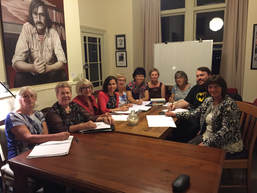
The Value of attending a Writing ClassYou want to write your memoir? Discover the value of attending a Writing Class and hear past students experiences.
|
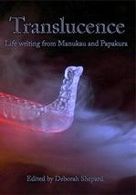
Writers'
|
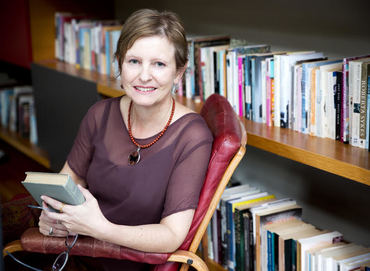
Author photo: Babiche Maartens, NZ Herald
|
About Deborah ShepardDEBORAH SHEPARD is a biographer, oral historian and teacher of memoir. She has also been a film, television and media studies lecturer at the University of Auckland. She has written entries on women filmmakers for the Dictionary of New Zealand Biography, the Le Dictionnaire Universel des Creatrices, (The Universal Dictionary of Women Creators) published in Paris in 2013 and in 2014 she contributed an updated ‘Reframing Women. Gender et Cinéma en Aotearoa Nouvelle-Zélande (1999-2014) to a special issue on gender, globalisation and film for the transdisciplinary, French-based and UNESCO-supported journal Diogenes.
|
Her major publications include Her Life’s Work: Conversation with Five New Zealand Women (2009), Between the Lives: Partners in Art (2005), Reframing Women: a History of New Zealand Film (2000) and Giving Yourself to Life: A Journal of Pain, Hope and Renewal (2015).
Her most recent book The Writing Life is based on oral history interviews with twelve of New Zealand’s most acclaimed and admired authors. Deborah teaches introductory and master classes in memoir, biography and journal writing at the University of Auckland’s Public Programmes and Devonport Library, and is a life writing mentor for the New Zealand Society of Authors. She is a member of the oral history association of New Zealand NOHANZ and in 2022 recorded the life's work of children’s author Pamela Allan for the State Library of NSW, who hold a repository of Pamela's watercolour collection of book illustrations. In 2023 Deborah is conducting a series of interviews for Auckland Central Library covering the life and work of Netherlands-born poet Riemke Ensing.
Deborah lives in Auckland.
Her most recent book The Writing Life is based on oral history interviews with twelve of New Zealand’s most acclaimed and admired authors. Deborah teaches introductory and master classes in memoir, biography and journal writing at the University of Auckland’s Public Programmes and Devonport Library, and is a life writing mentor for the New Zealand Society of Authors. She is a member of the oral history association of New Zealand NOHANZ and in 2022 recorded the life's work of children’s author Pamela Allan for the State Library of NSW, who hold a repository of Pamela's watercolour collection of book illustrations. In 2023 Deborah is conducting a series of interviews for Auckland Central Library covering the life and work of Netherlands-born poet Riemke Ensing.
Deborah lives in Auckland.